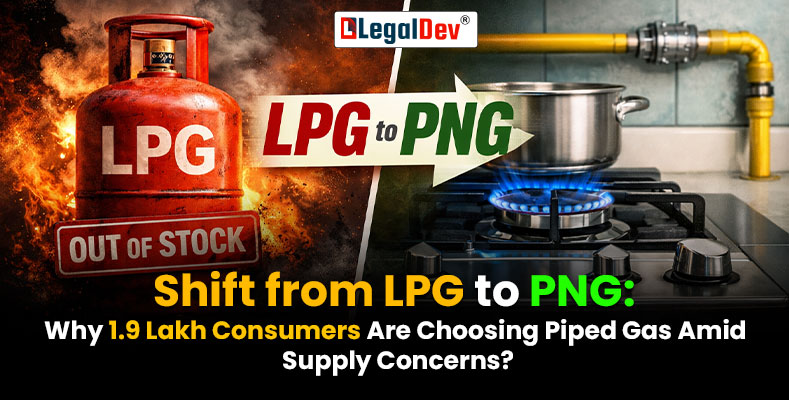
The way India consumes energy is rapidly changing—the most dramatic change being in the domestic cooking fuel segment. For years, the cooking fuel of choice for most households in urban and semi-urban areas has been liquefied petroleum gas (LPG). However, evidence suggests that consumer preferences are now undergoing a substantial change, with more and more consumers switching from using LPG cylinders to piping natural gas (PNG) directly into their homes. Recent reports indicate that approximately 190,000 consumers have already made this transition, primarily due to concerns regarding the reliability of LPG supply; increased prices; and ease of use. Therefore, the movement from using LPG cylinders to PNG is not simply responding to an immediate need, but represents a long-term change in how Indian households view energy consumption. Many households have found that they can no longer rely on the timely supply of LPG due to disruptions in supply chains and logistics as well as increased dependency on delivery of new cylinders. Conversely, streaming PNG delivers a more reliable and safe form of energy for cooking that fits within current urban lifestyles since it is more reliable and convenient. Government-supported initiatives encouraging the use of cleaner fuels and building supportive infrastructure for the construction of gas pipelines have only developed further momentum for this transition. As cities continue to grow and consumer expectations continue to change, convenience, safety and cost will all contribute to the decision-making process for consumers. PNG is able to meet all three of these criteria, making it a desirable cooking fuel solution for those wishing for the easiest way to cook in their homes. This blog explores the underlying reasons behind this shift, the challenges associated with LPG, the benefits of PNG, and what this trend means for the future of India’s energy landscape.
Understanding LPG vs PNG
Understanding the fundamental distinctions between LPG and PNG is critical before we get into the factors behind the transition between fuels.
What is LPG you ask?
LPG (Liquefied Petroleum Gas) is a combination of propane and butane that has been the predominant cooking fuel for countless households throughout India for decades. LPG is delivered in pressurized cylinders.
What about PNG then?
This is where Piped Natural Gas (PNG) comes into effect. PNG is natural gas that is supplied through underground pipes directly to the homes, commercial buildings, and workplaces of consumers across India.
Key Differences
|
Feature
|
LPG
|
PNG
|
|
Supply Mode
|
Cylinder-based
|
Pipeline-based
|
|
Storage
|
Requires storage
|
No storage required
|
|
Cost
|
Fluctuating
|
Relatively stable
|
|
Safety
|
Moderate risk
|
Safer due to low pressure
|
|
Convenience
|
Requires booking
|
Continuous supply
|
Why 1.9 Lakh Consumers Are Moving Away from LPG
1)Supply Shortages and accessibility Problems
One of the main factors spurring this transition is the inconsistency in the supply of LPG cylinders. Households experience many problems associated with the supply of LPG, including
• Long wait times for LPG cylinder delivery
• Inability to place orders during busy seasons
• Limited quantities of LPG cylinders available where demand is high
All of these issues lead to uncertainty, particularly among urban households whose day-to-day activities depend on the timely delivery of fuel.
2) Increase in LPG Pricing
Over the years, LPG prices have continued to soar, increasing the overall cost of LPG for many households every month. Although government subsidized prices exist, the reality is that the costs still outweigh the benefit of the subsidy in the mind of many consumers.
As LPG consumers began comparing their monthly bills with the prices for gas supplied through PNG, consumers quickly saw that:
• PNG is much easier to calculate;
• Most consumers will pay less per month for gas through PNG than they have with LPG; and
• No upfront costs to refill a LPG cylinder
These types of financial differences played a big part in directing consumers away from using LPG towards PNG.
3.Convenience and Quality of Life Upgrade
Modern day consumers value the use of convenience items more than ever before. Handy-Pak, or LPG, requires:
1. Refilling
2. Waiting for delivery
3. Handling Heavy Cylinders
PNG eliminates all of the above by providing:
1. Unlimited Supply
2. Hassle Free Booking
3. No Storage Issues
For professional working individuals and nuclear families, the convenience of PNG is a significant factor in their decision-making process.
4.Safety Issues
Another issue to consider in home heating is safety. Mishandling of LPG cylinders can result in serious situations such as:
1. Gas Leaks
2. Explosions
3. Storage Hazard
The good news is that PNG installations and use are:
1. Designed with Built-in Safety Mechanisms
2. Operating on a Lower Pressure Supply
3. Designed with Automatic Shut-off Features
PNG provides a safer option for use in homes.
5.Government Initiatives for Cleaner Energy
Our government is very active in promoting cleaner alternatives to fuels being used to decrease the carbon footprint and increase the quality of air we breathe.
Natural Gas is:
1. Less harmful to the environment
2. Has a cleaner burn than LPG
3. Is a step toward sustainable urban living
The expansion of citywide gas distributions has made Natural Gas more readily available than ever before.
Key Benefits of PNG Over LPG
1.Continuous Supply
PNG provides uninterrupted service to its customers so there are never any issues with running out of gas. There is no need to track usage or have the potential of running out unexpectedly.
2. Cost Savings (Cost Efficiency)
PNG uses an actual consumption basis to invoice customers; much like electricity or water billing. That gives you:
• Elimination of waste
• Invoice transparency
• Improved control over costs
3. Smaller Footprint (Space Efficiency)
With no heavy cylinders, you can use all the available space in your kitchen — a major consideration in an apartment.
4. Green Energy (Environmentally Friendly)
PNG is a greener option for users who are environmentally conscious because it produces less pollution.
5. User-Friendly (Convenient to Use)
Once installed, PNG requires low maintenance and operates smoothly with a minimum amount of supervision.
Challenges to Using LPG — Leading to the Move to PNG
1.Dependence on Distribution System
All LPG users depend on distribution companies to provide refills, and these can be unreliable.
2. Storage Issues
Finding a safe place to store LPG tanks is a serious challenge for small apartment residents.
3. Manual Monitoring
Users must manually check their tank levels and time their refills accordingly as their tanks empty due to usage.
4. Volatile Prices
Households have difficulty assigning a monthly budget for propane because prices change so frequently.
Infrastructure Expansion Supporting PNG Adoption
There has been an increase in the adoption of PNG as a result of the rapid development of city gas distribution networks.
Some examples of developments are:
• Increased number of pipelines in urban markets
• Investment in natural gas infrastructure
• Government-supported projects to provide services to a larger area
As more cities become connected to PNG, greater access is provided to larger populations.
Impact of PNG on Urban and Semi-Urban Consumers
Urban Areas
• Faster adoption due to availability of better infrastructure
• Greater awareness of and ability to purchase PNG service
• Preference for convenience-based solutions
Semi-Urban Areas
• Gradual adoption of PNG as pipelines are extended
• Awareness of advantages is increasing
• Transition to PNG is being driven by supply problems caused by LPG (primarily)
Economic and Environmental Implications
Economic
• Reduced dependence on importing LPG
• Greater efficiency in the delivery of fuel to customers
• Lower home fuel expenses
Environmental
• Reduced CO2 emissions
• Improved air quality
• Supported by sustainable development goals (eg., United Nations) being met by PNG system expansion.
Expansion of PNG Infrastructure in India
The rapid development of PNG replacement infrastructure is one of the reasons that PNG has been adopted by a larger number of consumers in such a short period of time. Some examples are:
• Largest increases in the level of coverage in Tier 1 and Tier 2 cities
• Government-supported CGD projects
• Increased private-sector capital participation
Examples of cities that have achieved significant growth include: Delhi, Mumbai, Ahmedabad, and Pune.
Is PNG the Future of Cooking Fuel?
The current trajectory shows that PNG will become an increasingly popular cooking fuel throughout urban India. Data supporting this conclusion includes:
• PNG has a growing base of consumer support
• Government initiatives are promoting PNG usage
• There is a significant amount of PNG infrastructure being developed
LPG will also have a continued presence as an option for cooking fuel in rural or remote areas with poor access to pipeline systems.
Factors to Consider Prior to Switching to PNG:
Consumers will face numerous benefits when switching from LPG to PNG but need to consider the following:
• Is PNG available in your area?
• Will there be costs associated with the installation of the new system?
• How long will it take to set up the new available system?
While there are some upfront costs associated with switching to PNG, it is expected that the long-term advantages will be greater than the initial cost.
Looking Ahead to the Future of Cooking Fuel in India:
The change from LPG to PNG is a major shift in India's energy landscape.
Future trends may see:
• The wider use of PNG in urban environments
• A greater emphasis on home integration of smart technologies
• A focus on renewable fuel sources
While it is expected that LPG will have a continuing presence in India as a cooking fuel for consumers, it appears likely that PNG will emerge as the preferred cooking fuel in modern households
Conclusion
The move from using LPG (Liquefied Petroleum Gas) to PNG (Piped Natural Gas) by one lakh ninety thousand (1.9 lakh) consumers is not just an occurrence; it represents a change in how the consumer is using power and how power is delivered in India. Consumers are no longer looking for gas cooking solutions based on cylinder-based fuel supplies, but rather are searching for solutions that address the reliability, safety and convenience aspects of their gas use within their homes. As a direct result of this evolution away from LPG and toward PNG, the benefits of PNG compared to LPG (such as the elimination of refilling cylinders, guaranteeing a continuous supply of gas, providing a better understanding of the cost of gas consumed, etc.) will be very attractive to the average consumer when looking at their current gas supply and cooking solutions today and into the future. Additionally, with concerns regarding LPG supply interruptions and price fluctuations continuing to increase, many consumers are more informed and open to taking advantage of long-term solutions rather than short-term convenience solutions. As a result, as PNG becomes available to a larger portion of the population through expanding infrastructure (i.e., new and ongoing projects) and government initiatives, the PNG solution will expand into semi-urban areas of the country. From an environmental standpoint, using PNG supports India's sustainable future by decreasing carbon emissions and giving consumers more environmentally-friendly fuel alternatives. (Although LPG will always be pertinent in areas that do not have enough pipeline infrastructure to provide PNG, the momentum is toward PNG as the future cooking fuel source for homeowners). Overall, this conversion to PNG represents a major transformation in the way consumers receive cooking fuel. As infrastructure continues to expand and awareness grows, PNG is poised to become the preferred choice for millions of households across the country, redefining how India cooks, consumes, and conserves energy.
Frequently Asked Questions (FAQs)
1. What is the main difference between LPG and PNG?
LPG is stored in cylinders and requires manual refilling, while PNG is supplied through pipelines and offers continuous gas flow.
2. Is PNG cheaper than LPG?
In many cases, PNG is more cost-effective due to consumption-based billing and the absence of refill costs.
3. Is PNG safe for household use?
Yes, PNG is considered safer as it operates at lower pressure and includes advanced safety features.
4. Can I switch from LPG to PNG easily?
Yes, if PNG infrastructure is available in your area, the transition is straightforward with installation support from service providers.
5. Does PNG require maintenance?
PNG systems require minimal maintenance once installed properly.
6. Is PNG environmentally friendly?
Yes, PNG is a cleaner fuel compared to LPG and produces fewer emissions.